
If your home still smells like smoke after a fire or cooking incident, the problem is not just in the air. Odor molecules bond with surfaces, travel through HVAC pathways, and reactivate with heat and humidity. This guide explains why DIY perfumes or wipe downs rarely work, what a professional deodorization plan includes, and how First Call Restoration handles smoke odor removal in a way that lasts.
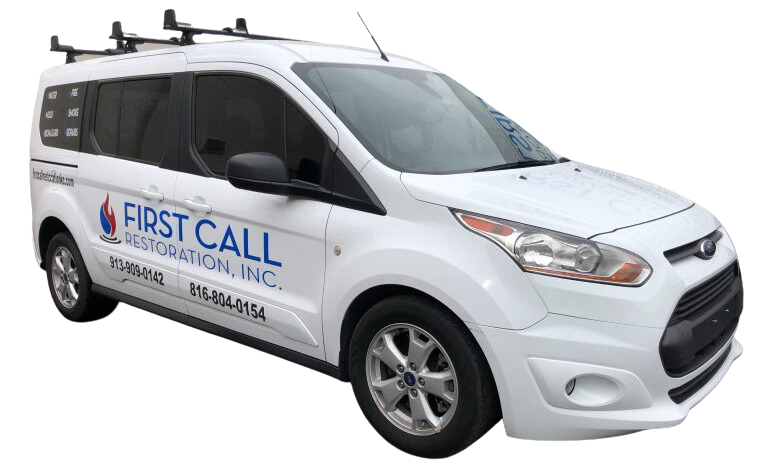
First Call Restoration is a locally owned and operated company serving the KC metro with Comprehensive Restoration & Mitigation Services. The team starts with a free inspection and estimate, then provides an honest and detailed scope of work and guides you through every step.
Why the smell keeps returning
1) Different fires create different residues.
Protein fires in kitchens leave a nearly invisible, sticky film. Plastics and synthetics create oily soot. Wood and paper leave drier particulates. Each residue needs specific chemistry and technique. If you use the wrong cleaner, you can set stains and trap odor.
2) Smoke penetrates hidden spaces.
Odor moves through gaps, electrical boxes, insulation, and ductwork. It settles on soft goods and unfinished wood, then wicks back out when the building warms up. That is why spraying fragrance does not work for long. 3) HVAC can spread contamination.
Running the furnace or AC too soon redistributes soot and odor to rooms that looked clean. Professionals isolate systems and use negative pressure and filtration before reintroducing airflow.
What professional smoke odor removal includes
First Call Restoration’s fire and smoke service outlines a proven sequence. The steps below use the company’s own terminology where it fits naturally.
1) Emergency Stabilization
Secure openings, protect contents, and prevent new water or weather damage. This reduces secondary odor sources and sets the stage for cleaning.
2) Detailed Damage Assessment
Technicians test residue types, document affected rooms, and map moisture from firefighting water. A clear assessment drives a targeted plan rather than guesswork.
3) Source removal and fine cleaning
Pros remove charred and soot stained materials where necessary. They HEPA vacuum, use dry sponges on delicate finishes, and apply detergents matched to residue type. Protein smoke needs different chemistry than natural wood smoke. This step reduces odor at the source instead of covering it up.
4) Air scrubbing and negative pressure
Commercial HEPA air scrubbers capture airborne particles. Negative air can vent outdoors, which limits cross contamination into clean rooms and improves air quality during work.
5) Odor Removal and Air Quality Restoration
Depending on materials and safety conditions, teams deploy thermal fogging, hydroxyl generators, or ozone in controlled applications. The goal is molecular neutralization, not masking. First Call specifies Odor Removal and Air Quality Restoration in its service process and notes advanced deodorization technologies that permanently eliminate odors.
6) Content Restoration and Storage
Cleanable items are inventoried, deodorized, and stored off site while structure work proceeds. Non restorable items are documented for your claim.
7) Structural Repairs, Rebuilds & Reconstruction
If materials must be removed, First Call provides full service mitigation and restoration and can take the project through repairs and finishing. That continuity prevents gaps between cleaning crews and rebuild contractors.
8) Final Inspection and Quality Assurance
The team verifies cleaning efficacy and the absence of lingering odor before closeout.
DIY vs professional methods
DIY methods often fail because they do not remove the source or control airflow. Common missteps include running HVAC too early, wiping protein soot with the wrong cleaner, or sealing surfaces before deodorization. Professional work follows containment, filtration, cleaning, and neutralization in that order. It also includes documentation that supports an insurance claim. First Call begins with a free inspection and estimate and provides an honest and detailed scope of work that you can share with your adjuster.
What to expect during a First Call visit
-
Visual and instrument based assessment of affected areas, including attic or crawl spaces when needed
-
Soot type testing and a room by room plan that matches methods to materials
-
HEPA air scrubbing with optional negative pressure to protect clean spaces
-
Cleaning with residue specific chemistry and techniques that avoid setting stains
-
Targeted deodorization using thermal fogging, hydroxyl, or ozone where appropriate
-
Clear line items for any demolition and Restoration work that follows, since Restoration is the physical reconstruction of the property
-
Communication checkpoints so you know what is happening and when the home is safe to reoccupy
How this helps with insurance
Carriers want clear cause and scope. A professional package includes photos, notes that tie odor and residues to the fire event, and a plan that distinguishes cleaning from reconstruction. Many policies pay Actual Cash Value first, then release depreciation after completion and invoicing. A contractor who works with carriers daily helps move that process along with fewer delays. First Call’s contact page lists both KC numbers and confirms 24 hour availability.
Quick homeowner checklist
-
Do not run HVAC until a professional sets containment and filtration
-
Photograph rooms before touching surfaces
-
Bag important documents and high value items for evaluation
-
Avoid scented sprays that can set residues or interfere with testing
-
Call for a free inspection and estimate to determine the correct plan and protect your claim
Ready to eliminate smoke odor for good
First Call Restoration serves Kansas City and the surrounding metro with certified fire and smoke services, advanced deodorization methods, and start to finish Restoration when repairs are required. Call 816-804-0154 for Missouri or 913-909-0142 for Kansas. FIRST CALL, Your Last Call.